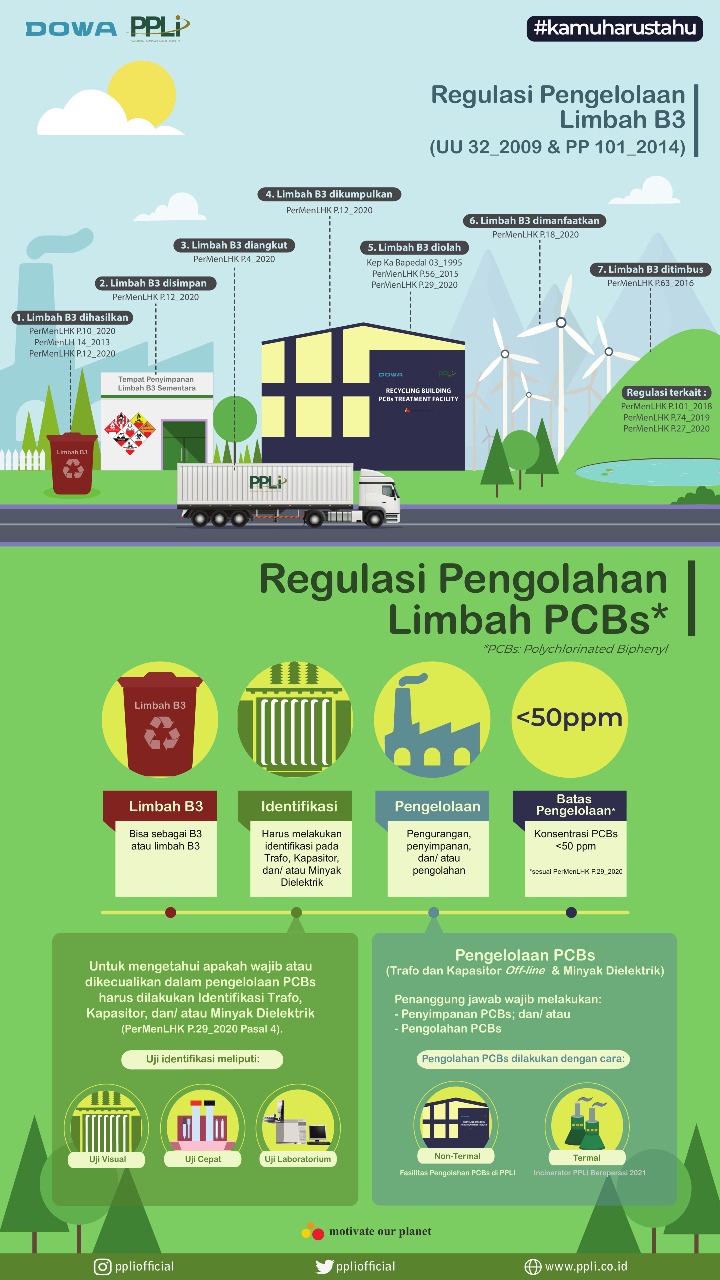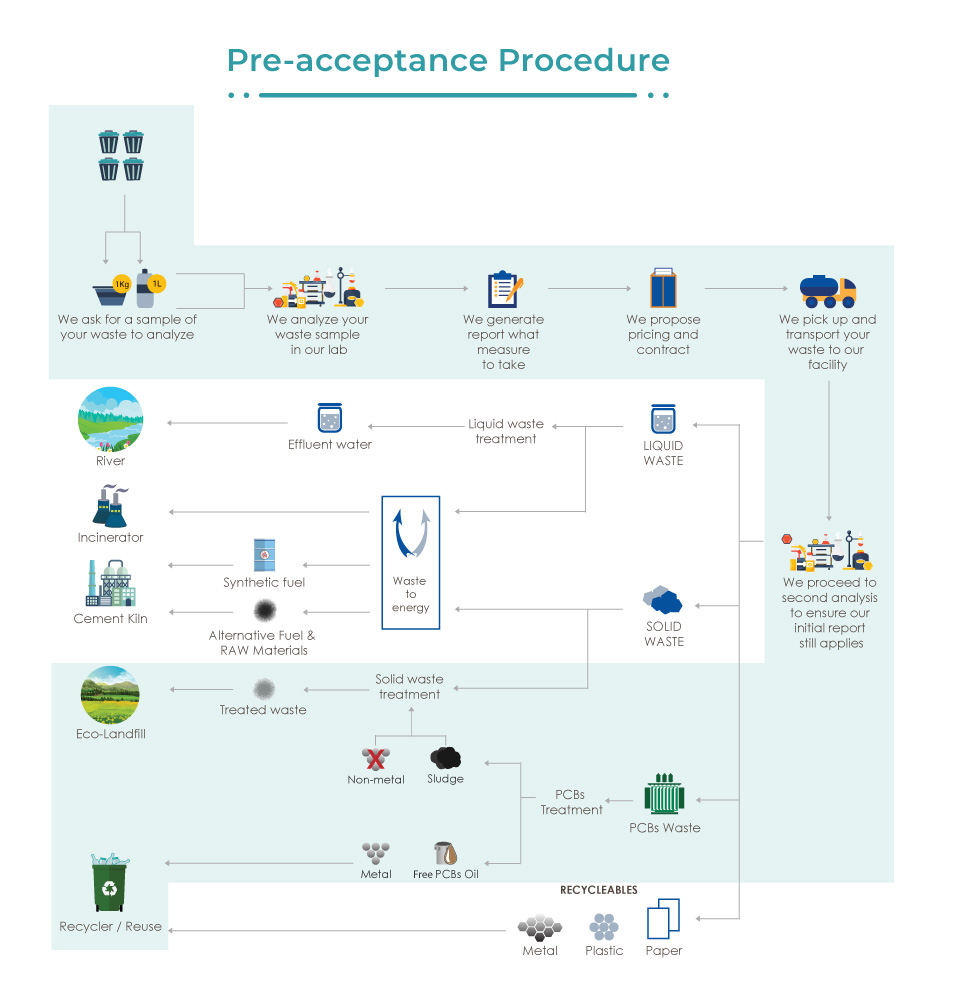
PCBs TREATMENT FACILITIES

Introduction

Uses of Polychlorinated Biphenyls (PCBs)

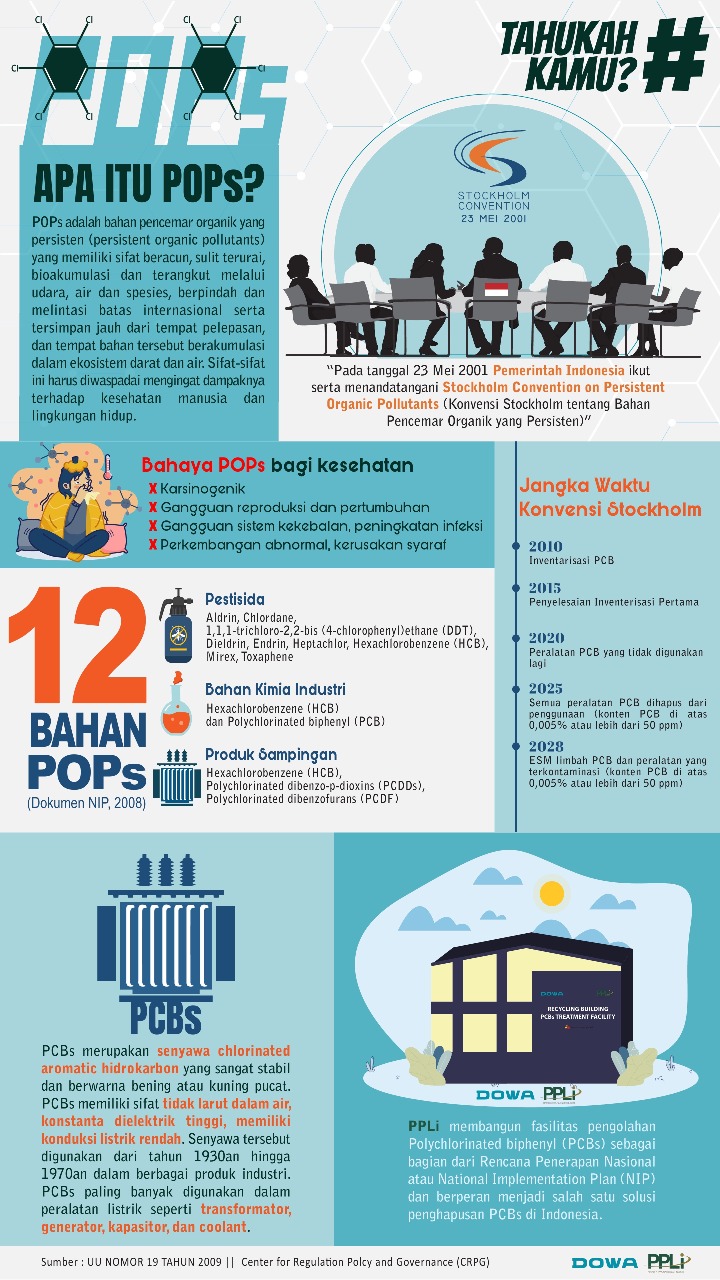
High chemical stability and low flammability made PCBs ideal for many applications:

Concern of Characteristics

High chemical stability and low flammability made PCBs ideal for many applications, but they also have adverse effects on human health and the environment:

PCBs shall be Phased Out
Why PPLI PCBs Treatment Facility?
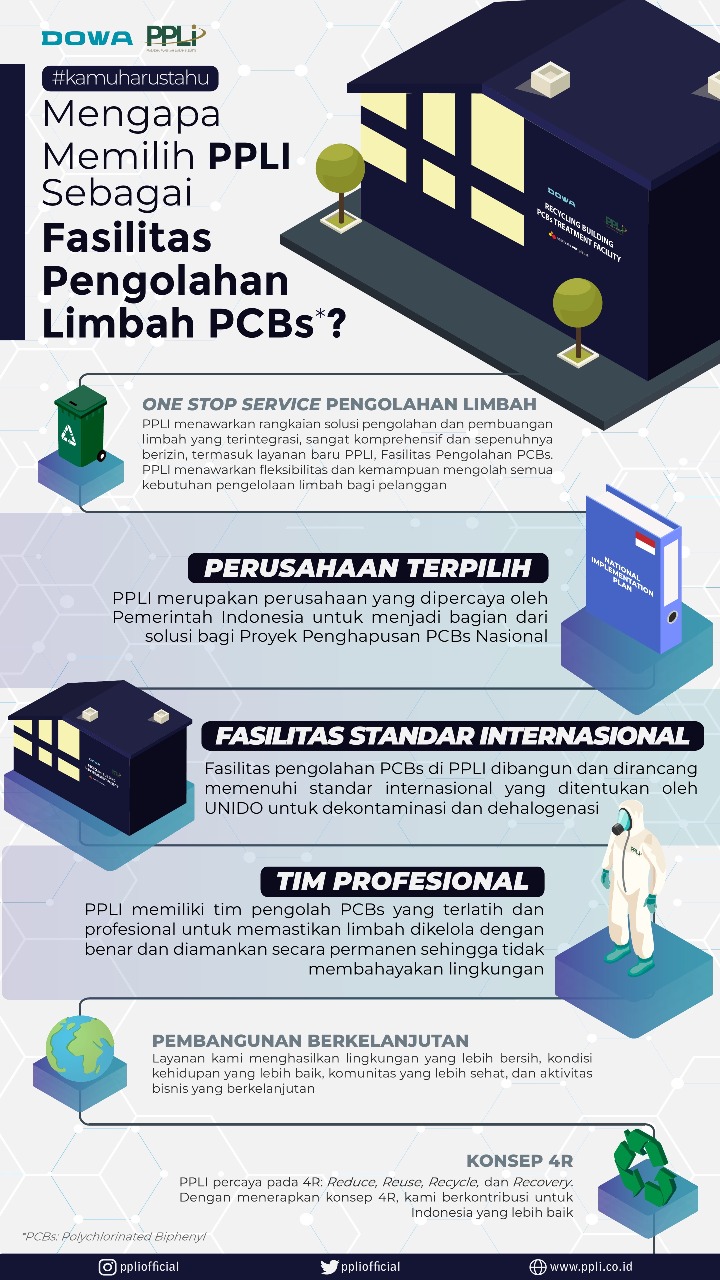
  • PPLI offers a broad, very comprehensive and fully permitted range of waste treatment and disposal solutions including PPLI new services, PCBs Treatment Facility. This gives PPLI flexibility and the ability to offer customers a ‘one-stop shop’ for all their waste needs.
  • PPLI was selected by company by the Government of Indonesia to be the solution for the National PCBs Phase-out Project.
  • The PCBs treatment facility at PPLI is built and engineered to meet international standards defined by UNIDO for decontamination and dehalogenation.
  • PPLI has a fully equipped PCBs team of professionals to ensure waste is properly managed and permanently secured.
  • Our services result in cleaner environments, better living conditions, healthier communities, and sustainable business activities.
  • PPLI believes in 4R: Reduce, Reuse, Recycle and Recovery. By implementing the 4R concept, we contribute to a better Indonesia.

PCBs Waste Treatment Plan

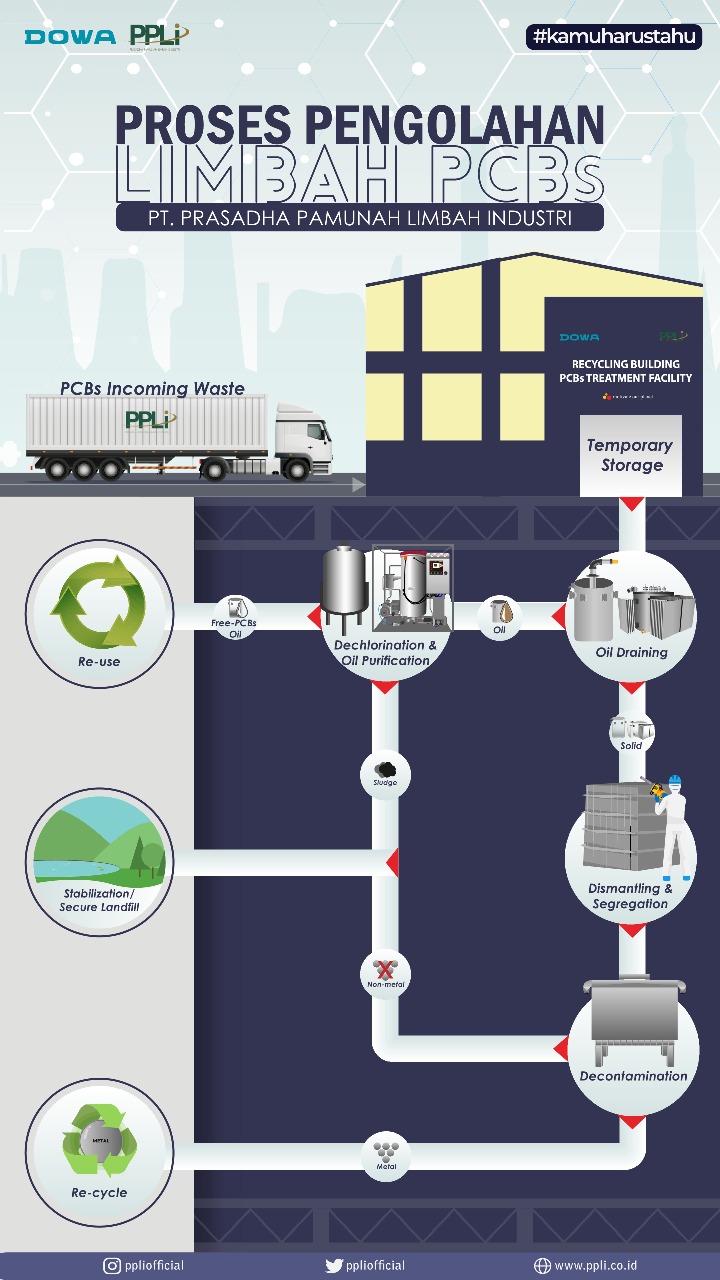
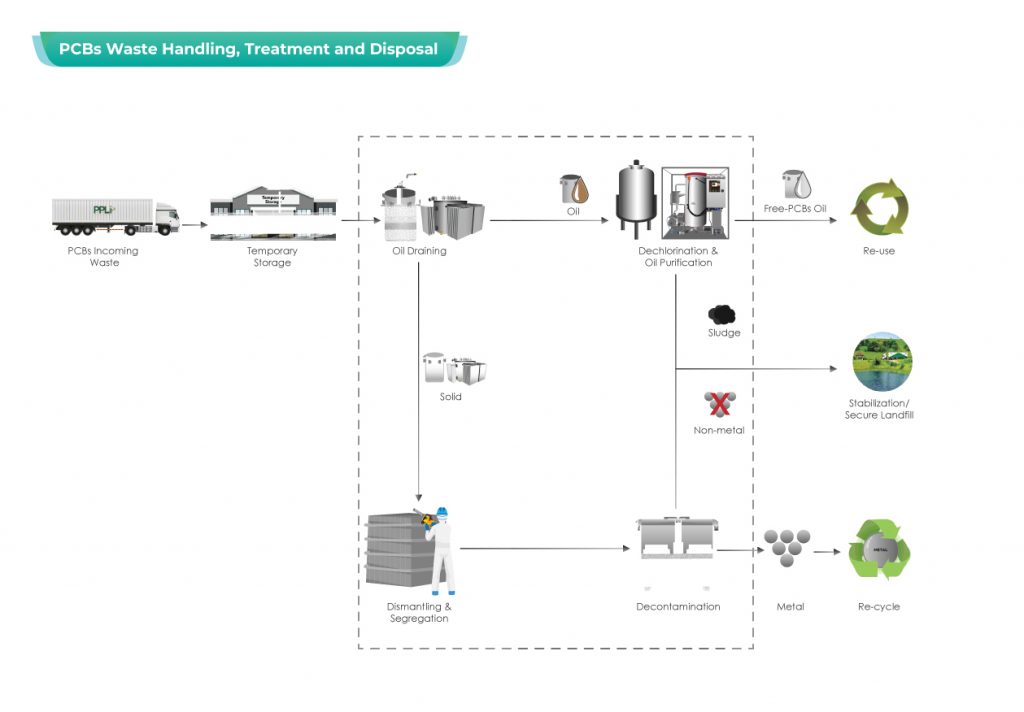
Temporary Storage

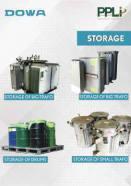
The PCBs treatment facility at PT PPLI has its own temporary storage. PCBs waste from customers (waste generators) is placed in the PCBs building. The floor is designed and engineered with a specific slope and containment zones on each side. If there is a spill, it flows immediately into a containment zone so it does not contaminate the environment. Temporary storage is located in the same area as PCBs waste unloading and transportation. The storage area (including unloading) is 441 sqm and equipped with an overhead crane with a 10-ton lifting capacity.

Oil Draining

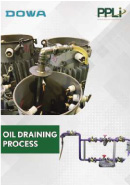
PCBs waste in temporary storage is moved to the oil-draining area. In this process, PCBs oil is pumped from transformers or drums and collected in a PCBs oil storage tank with a capacity of 5 m3. Oil draining is conducted over an oil pan as a preventive measure against spills. All activity is carried out in a controlled area. Pumped PCBs oil is then processed in dechlorination and oil regeneration units. The empty transformers are dismantled and segregated into several types of materials.

Dismantling and Segregation

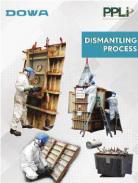
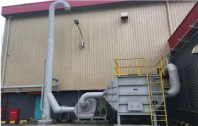
Empty transformers are dismantled and segregated into materials such as metal casing, copper, iron, ceramics, or plastic/paper. The dismantling process separates transformer parts by type. Metal casing is cut to fit the autoclave unit for the next step: decontamination. All dismantling occurs in a controlled area where the air is passed through an activated carbon filter before release. Workers wear Personal Protective Equipment (PPE) complying with safety standards, such as respirator, coverall, safety shoes, helmet, goggles, and gloves, to minimize exposure.

Picture 1. Activated Carbon Filter Unit for filtering the air
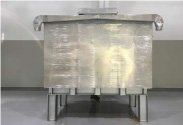
Picture 2. Autoclave Unit for Decontamination
Decontamination

The decontamination process removes PCB oil residues from transformers and components using solvent vapor. This is carried out in an autoclave unit under vacuum and closed-system conditions. Solvents used include Perchloroethylene (PCE) or Trichloroethylene (TCE).

The solvent is heated to vapor phase and continuously rinses the contaminants. The solvent vapor is then condensed, recycled in a distiller (under vacuum), and evaporated again. The cycle continues until the target PCB concentration is reached, after which the solvent is reused within the system.

If the decontamination target has been reached, the transformer/ material has already been decontaminated. Material is removed from the autoclave and “dried” in the drying area which is equipped with an activated carbon filter to ensure that no solvent vapor is released into the environment. The decontamination process workspace is also equipped with an activated carbon filter as a form of anticipation if there is solvent vapor released into the work environment.

Metal material from decontamination process can be recycled, and other material that can not be recycled will be processed and disposed in the landfill.

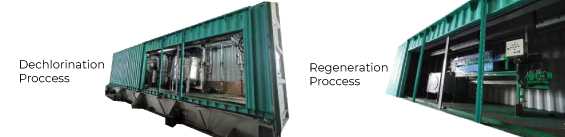
Dechlorination and Oil Purification

Dechlorination

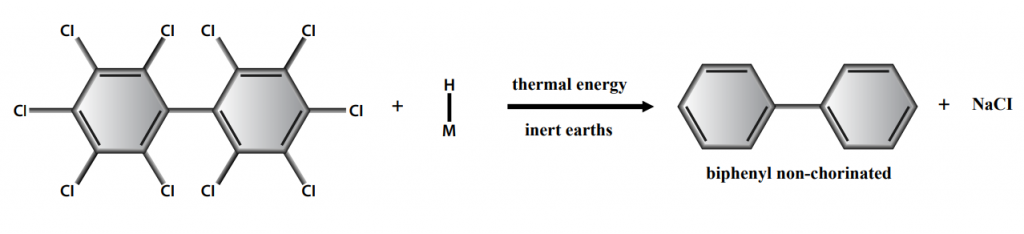
PCBs oil drained from transformers in the oil-draining process is processed in a dechlorination unit. This is carried out in a closed system under vacuum. Dechlorination removes chlorine atoms from PCB molecules using sodium metal (Na). Sodium bonds with chlorine to form NaCl salt, leaving non-chlorinated biphenyl (non-chlorinated). The chemical reaction occured as follow:

Sodium metal will be dissolved in PCBs oil (in small quantity) in reagent tank as a preparation step before being put into dechlorination tank. Reagent tank and dechlorination tank will be heated using diathermic oil boiler and maintained its temperature at 110 C. After that, sodium mixture will be pumped into dechlorination tank which containings PCBs oil and the reaction proceed. Dechlorination process is conducted in batch system.

The dechlorination reaction process takes approximately 30-60 minutes and periodically sampling is carried out to determine the concentration of PCBs in the dechlorination tank. When the process is complete (the PCBs concentration has reached the set target), the oil is ready to be filtered. Bleaching earth is added before the oil enters the filtering unit. Oil free PCBs from the dechlorination tank, after the temperature is lowered then filtered using a filter press. The filtered oil free PCBs will be further processed in the oil purification unit. The filtered cake or sludge is processed by Stabilization before being stockpiled in landfills.

Oil Purification

Oil free PCBs from the dechlorination process after the filtering process are pumped into the purification unit to reduce the water content to 10-15 ppm and remove dissolved gases. After this series of processes is completed, the oil free PCBs have been purified and ready to be used again in the transformer and have met the transformer oil standard/ specification.

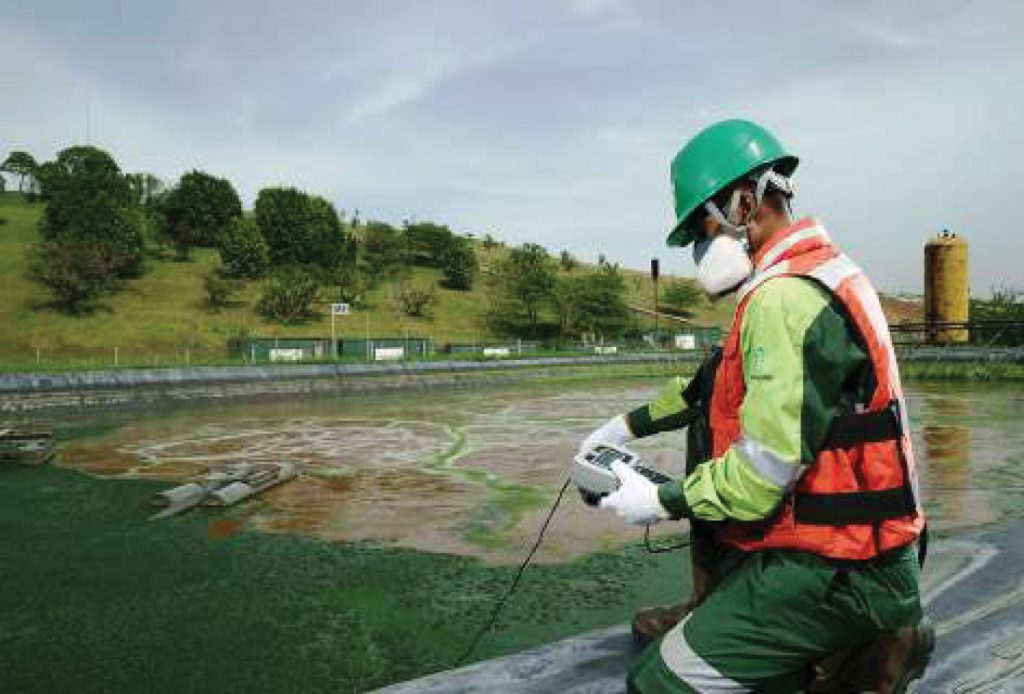
Safety and Environmental Monitoring

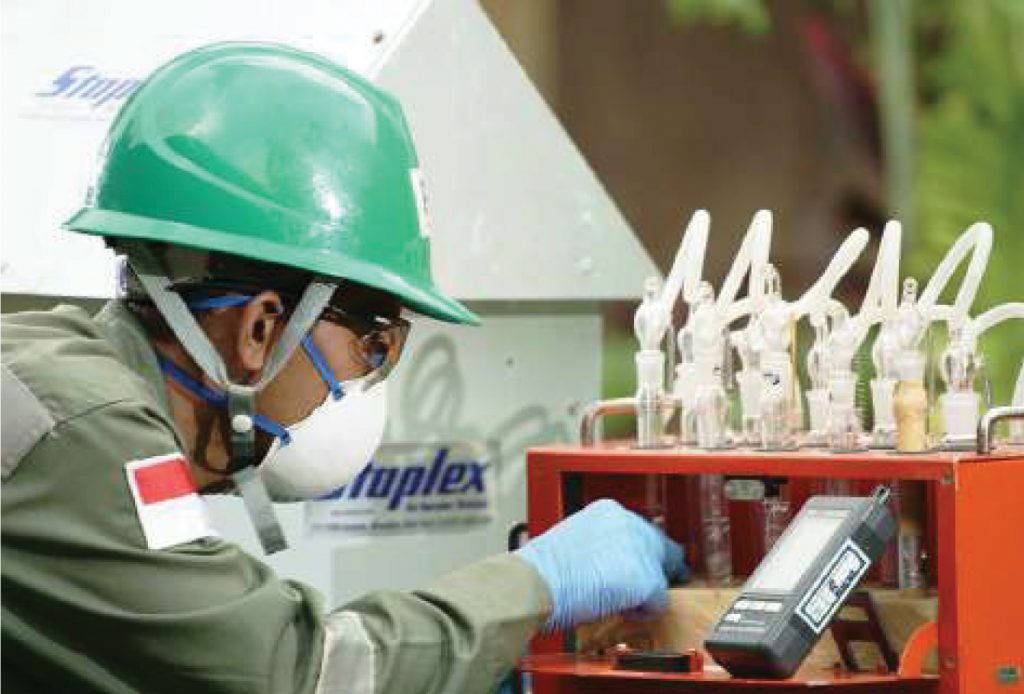
Picture 1. Surface Water Sampling

Picture 2. Air Ambient Sampling

Measures for Air Contamination
  • Exhaust from vacuum pumps are pre-treated by activated carbon as a safety net before released
    oleh karbon aktif sebagai jaring pengaman sebelumnya
    dilepaskan.
  • Pembuangan dari area pembongkaran dilakukan pra-perawatan
    oleh karbon aktif sebelum dilepaskan.
  • Negative pressure operations
Measures to Prevent Leakage
  • Spill containment (drainage and sump pit)
  • 1% slope of the building floor
  • Floors are coated with epoxy.
Emergency Measures
  • Automatic fire alarms
  • Chemical fire extinguishers
  • Fire hydrants
Regular monitoring for PCBs:
  • Perchloroethylene in ambient air
  • PCBs in surface water

Quality Control

Picture 3. Laboratory Analisis

Quality control is conducted by a qualified analytical laboratory as certified by :

  • ISO/IEC 17025
  • MOEF Approved Environmental Laboratory